How Do Wildfires Start?
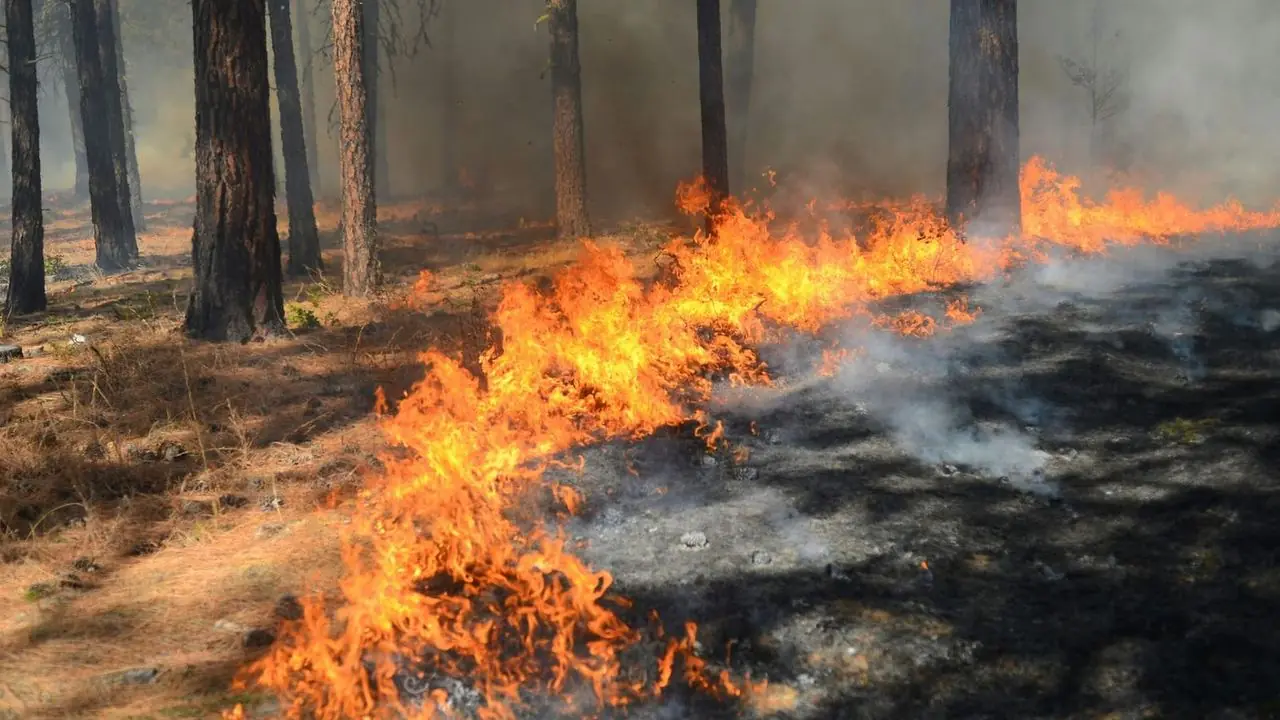
Most wildfires don't begin as walls of flame. They begin as a single spark or smouldering ember on a dry forest floor — small, quiet, and easy to miss. Understanding how wildfires start, what makes them spread, and why the first few minutes matter so much is the key to stopping them before they become unstoppable.
The fire triangle: what every fire needs
Every wildfire — no matter how it begins — depends on three ingredients. Remove any one of them and the fire cannot survive. This is known as the fire triangle:
- Fuel — dry vegetation, leaf litter, dead branches, grass, and peat.
- Oxygen — readily available in the air, and fed further by wind.
- Heat — a spark, flame, lightning strike, or sustained high temperature.
Natural causes
Lightning is the leading natural cause of wildfires, especially during dry thunderstorms where rain evaporates before reaching the ground. A single strike can ignite dry fuel that smoulders for hours before flaring up. In rare cases, volcanic activity or even sparks from falling rocks can start a fire. Natural fires are part of many ecosystems — but in hot, dry conditions they can quickly grow out of control.
Human causes — by far the most common
Across most of the world, the overwhelming majority of wildfires are started by people — often accidentally. Common human causes include:
- Unattended or abandoned campfires and barbecues.
- Discarded cigarettes.
- Sparks from power lines, machinery, or vehicles.
- Agricultural and waste burning that gets out of control.
- Arson and deliberate ignition.
How wildfires spread
Once ignited, a fire's growth is driven by three main factors. Together they explain why a small flame can become a major wildfire within minutes:
- Wind — pushes flames forward, supplies oxygen, and carries burning embers ahead of the fire (spotting).
- Terrain — fire moves faster uphill, as rising heat preheats the fuel above it.
- Fuel and dryness — dense, dry vegetation and low humidity let fire spread rapidly and burn hotter.
The critical window: the first few minutes
In its earliest stage, a wildfire is small and relatively easy to contain. As it grows, the energy it releases doubles and redoubles, and suppression becomes exponentially harder and more dangerous. This is why detection speed matters more than almost anything else: a fire caught in its first minutes can often be put out with a bucket of water, while the same fire an hour later may require aircraft and crews.
Why early detection is the real solution
Prevention reduces how often fires start, but it can never eliminate them entirely — lightning and human error will always exist. That is why early detection is so important. Traditional approaches like lookout towers, satellites, and camera systems can only see a fire once it produces visible flames or a large smoke plume — often many minutes or even hours after ignition. By then, the fire may already be spreading.
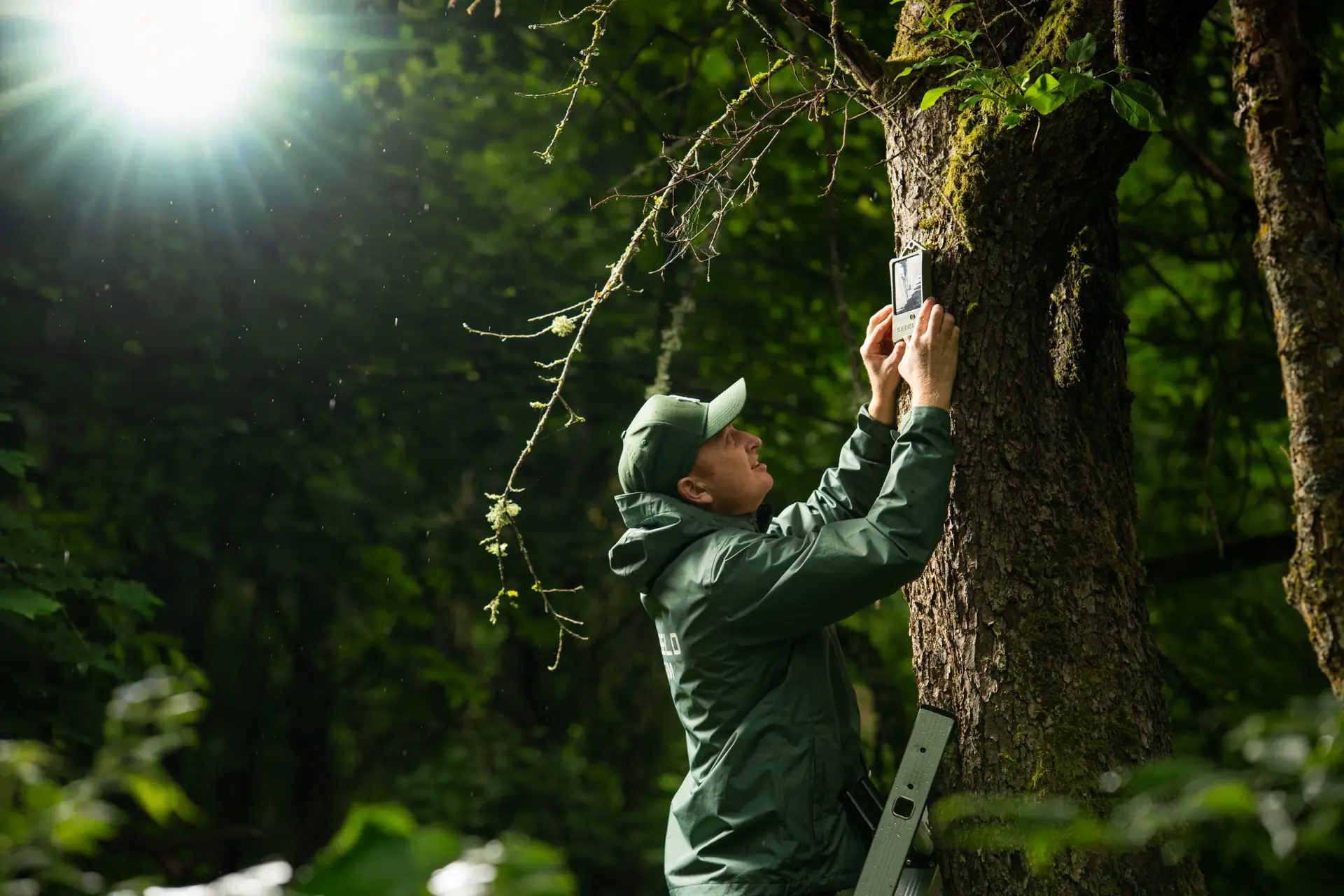
How SEBELO detects fires before they spread
SEBELO takes a different approach. Instead of waiting to see flames, our solar-powered sensors continuously 'smell' the air for the gases and smoke particles released the moment vegetation begins to smoulder — before there is any visible fire. Connected through a long-range LoRaWAN network, the sensors send an alert to our cloud platform within minutes, pinpointing exactly where the fire began. In live demonstrations across Europe, SEBELO has detected fires in as little as 2 minutes 30 seconds. That is the difference between a small incident and a catastrophe.
Wildfires will always start — through nature and human activity alike. What we can change is how fast we find them. SEBELO — Wildfire Early Detection · LoRaWAN · AI.