Wildfire Detection Sensors Tested Live in Meymac, France
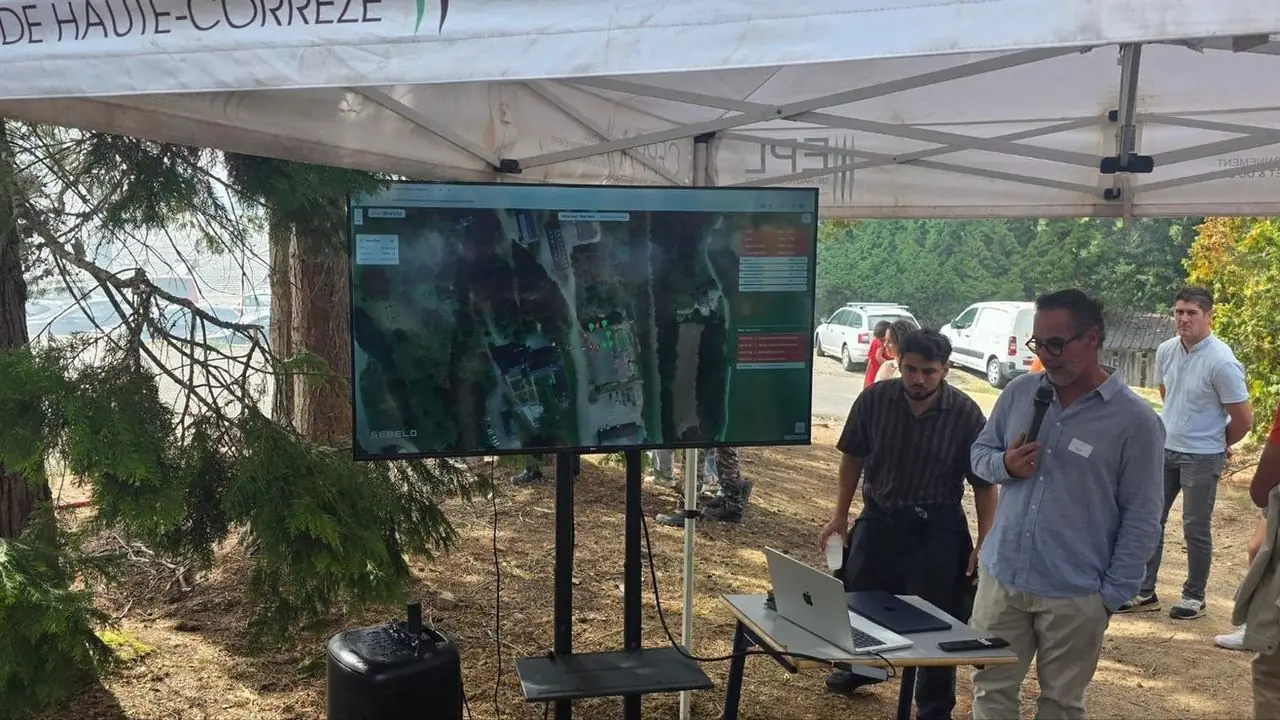
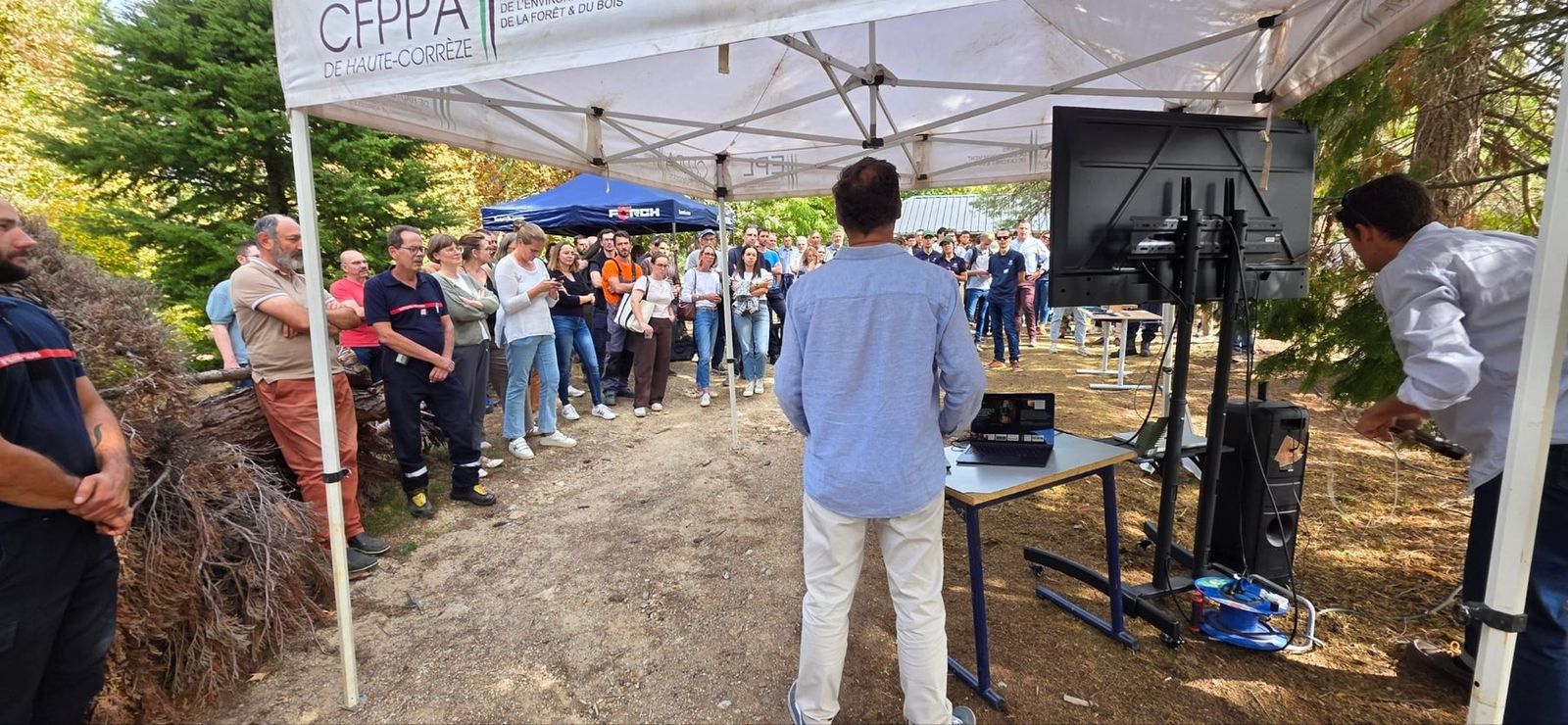
On 24 September 2026, SEBELO demonstrated its wildfire detection sensors live at the Meymac Test Bed in Corrèze, France. The first sensor reported smoke 1 minute 42 seconds after the demonstration started and reached the critical level seven seconds later. More than 150 people followed the event, which was part of the IT4EST project and organised by Forestry France.
What we tested
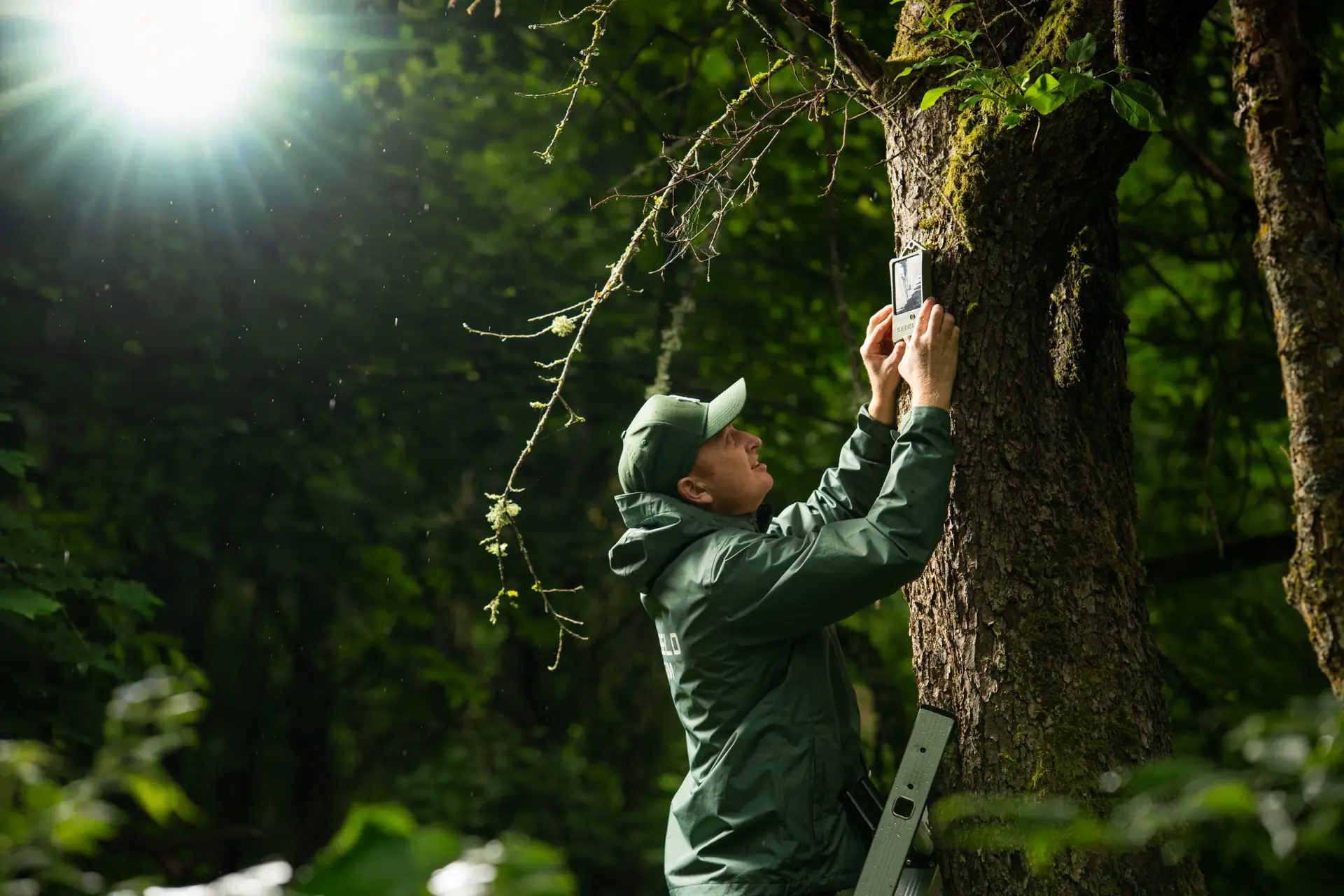
Nine SEBELO sensors were placed in a ring around the ignition area. Each sensor carries a gas sensor that runs our own AI model, trained to tell clean air from smoke. The sensors are solar-powered and send their measurements over LoRaWAN to the SEBELO platform, where the whole demonstration was monitored in real time.
The AI model gives a smoke classification between 0 and 100%. Above 10% the sensor raises an alert and switches from routine reporting every hour to continuous reporting. From 30% the platform marks the reading as critical.
What happened
The demonstration session lasted 4 minutes and 5 seconds. The first alert came from sensor spr-8 after 1 minute 42 seconds. Seven seconds later the same sensor reported 100%. Two more sensors, on the west and south sides of the layout, also reported smoke above the critical level within the session: 69% and 100%.
The alert chain worked end to end. Measurements travelled from the sensor over LoRaWAN to the platform and appeared on screen while the audience watched.
Why not every sensor alerted in four minutes
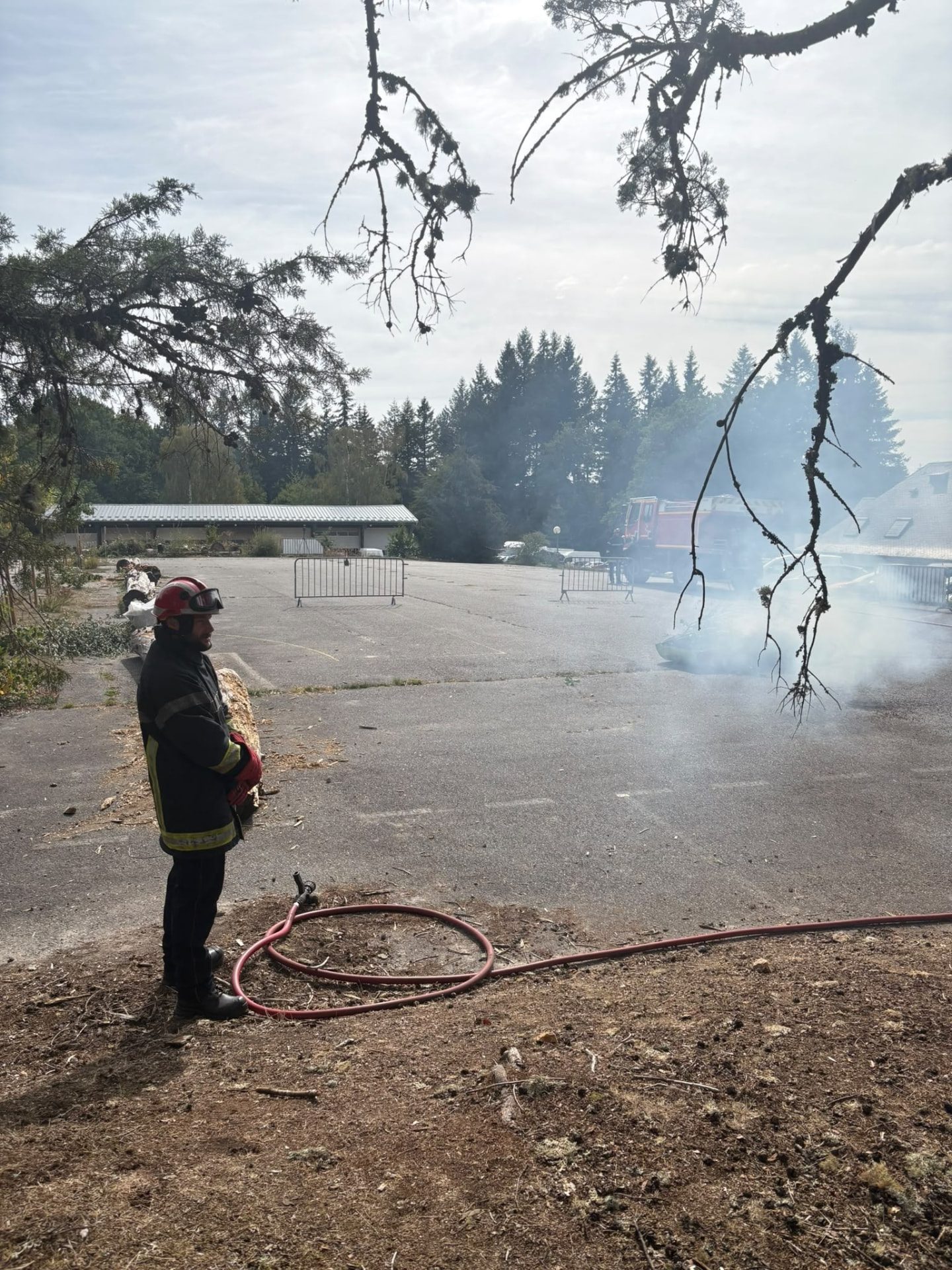
The wind during the demonstration was light, about 3.4 km/h from the south-southeast. In such conditions smoke does not travel in a straight line. It meanders, so different sensors are reached at different moments.
There is a second factor. To save energy, our sensors measure in cycles: a short series of gas scans followed by a sleep period. A sensor can only react at its next scan after smoke arrives. In a controlled reference test with the same nine sensors on 19 September, with the smoke source one metre away, all nine detected the smoke, with first responses between 26 seconds and about 4.5 minutes after ignition. A design that sleeps between measurements is exactly what a device needs to run outdoors for years on solar power.
What comes next
The sensors in Meymac were our current version. Our next generation is already in development: smarter, more powerful, and built to take on the biggest challenge of wildfire detection sensors, false alarms. We will present it soon.
Every field test brings us closer to detecting wildfires early enough to make a difference.
Thank you to Forestry France for organising the event and for the warm welcome in Meymac, and to everyone who came to watch.
Frequently asked questions
How fast can SEBELO sensors detect smoke?
In the Meymac demonstration the first sensor reported smoke after 1 minute 42 seconds. Detection time depends on distance to the fire, wind and the sensor's measurement cycle.
How do SEBELO wildfire sensors work?
Each sensor uses a gas sensor and an on-device AI model to classify the air as clean or smoke, and sends the result over LoRaWAN to a cloud platform.
Are the sensors powered by the sun?
Yes, they are solar-powered and designed for long outdoor operation.
What is IT4EST?
IT4EST is an EU project funded by the Interregional Innovation Investments (I3) instrument, in which SEBELO takes part.